



- MediaTek Dimensity 9500 | 3 nm
- 16GB | LPDDR5X Ultra RAM
- 512GB | UFS 4.1 Storage
- 6.78 inches | FHD+ Display
- 50MP Front Camera
- 50MP + 50MP + 200MP Rear Camera
- 6510 mAh | 90W Battery

3nm chip technology is the biggest leap in mobile performance in years. Phones powered by these chips — like Apple's A18, Qualcomm's Snapdragon 8 Elite, and MediaTek Dimensity 9400 — deliver console-grade gaming, all-day battery life, and on-device AI that was impossible just two years ago. This page lists every mobile currently available with a verified 3nm processor, updated regularly. This list price was updated on September 14, 2026.
| Product | Price | Processor | RAM | Storage | Display | Front Camera | Rear Camera | Battery | OS |
|---|---|---|---|---|---|---|---|---|---|
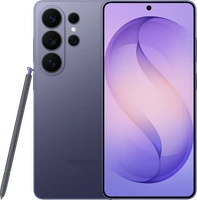
| Vivo X300 Pro | ₹1.2 Lakh | MediaTek Dimensity 9500 | 3 nm | 16GB | LPDDR5X Ultra | 512GB | UFS 4.1 | 6.78 inches | FHD+ | 50MP | 50MP + 50MP + 200MP | 6510 mAh | 90W | Android 16 |
| Samsung Galaxy S26 Ultra | ₹1.81 Lakh | Qualcomm Snapdragon 8 Elite Gen 5 | 3 nm | 16GB | LPDDR5X | 1TB | UFS 4.0 | 6.9 inches | QHD+ | 12MP | 200MP + 10MP + 50MP + 50MP | 5000 mAh | 60W | Android 16 | One UI 8.5 |
| Vivo X200 Pro 5G | ₹93,900 | MediaTek Dimensity 9400 | 3 nm | 16GB | 512GB | UFS 4.0 | 6.78 inches | FHD+ | 32MP | 50MP + 50MP + 200MP | 6000 mAh | 90W | Android 15 |
| Oppo Find X9 Ultra | ₹1.7 Lakh | Qualcomm Snapdragon 8 Elite Gen 5 | 3 nm | 12GB | LPDDR5X | 512GB | UFS 4.1 | 6.82 inches | QHD+ | 50MP | 200MP + 50MP + 200MP + 50MP | 7050 mAh | 100W | Android 16 | ColorOS 16 |
| Apple iPhone 16 | ₹69,900 | Apple A18 | 3 nm | 8GB | 128GB | NVMe | 6.1 inches | FHD+ | 12MP | 48MP + 12MP | 3561 mAh | 20W | iOS 18 |
















The "3nm" refers to the manufacturing process node — the size of the transistors packed into the chip. Smaller = more transistors in the same space = more performance with less power draw. Compared to older 4nm and 5nm chips, 3nm processors offer roughly 15–30% better CPU performance, up to 35% improved GPU output, and significantly better power efficiency, which directly translates to longer battery life on your phone.
All flagship phones launched in 2024–2026 use 3nm chips. If you play graphics-heavy games, shoot 4K/8K video, or use AI camera features, a 3nm mobile is worth the upgrade.
As of 2026, phones with 3nm chips include the iPhone 16 series (Apple A18 / A18 Pro), Samsung Galaxy S25 series (Snapdragon 8 Elite), OnePlus 13, Xiaomi 15 series, and several mid-range phones using the MediaTek Dimensity 9400. Every phone listed on this page has been verified to use a 3nm chip.
For most users, yes — especially if you plan to keep your phone for 3+ years. The performance gap will widen over time as apps and AI features increasingly target newer chip capabilities. If budget is tight, a 4nm phone is still excellent for daily use.
TSMC (Taiwan Semiconductor Manufacturing Company) is the primary manufacturer. Apple's A18, Qualcomm's Snapdragon 8 Elite, and MediaTek's Dimensity 9400 are all produced at TSMC's N3 process node. Samsung Foundry also produces 3nm chips (GAA technology) used in select Exynos processors.
Absolutely. The GPU improvements deliver higher sustained frame rates in demanding titles like Genshin Impact, Call of Duty Mobile, and BGMI, with less throttling over long sessions. Ray tracing support and hardware-accelerated AI upscaling are also features exclusive to 3nm-generation chips.
Yes, gradually. MediaTek's Dimensity 9300+ and Snapdragon 7s Gen 3 have brought near-3nm performance to mid-range devices. True 3nm chips are expected to reach the ₹25,000–35,000 price segment by late 2026 as manufacturing costs come down.
You're already on the right page. Use the sorting and filter options above to narrow down by brand, price range, RAM, and operating system. Every phone listed here has been verified to use a 3nm fabrication process chip.
| Date | Price | Change | Store |
|---|